

Spec homes and Eagles Nest 2 has left the building
I’m a spec home builder, a gambler. Have been for 25 years, a quarter of a century. Spec homes are homes built on speculation, meaning before a buyer is located, before a contract is signed, a house being built with the funds of the builder/developer - borrowed or accrued. It’s a risky business for a few reasons: it’s expensive to build a home, the costs associated over and above the construction such as interest on the construction loan, utilities, taxes commence and continue until the house is sold, the sale date and thus return of your working capital and hopefully profit is undetermined. In sum, you tie up a bunch of money on a hunch that what you will build will sell. And many times, it’s not just one house but a series of homes, or a series of homes and the infrastructure therein. So to tie up a million is easy, to tie up ten’s of millions is not that hard either (not my level but easy to imagine).
I’ve been building spec homes forever. It’s what I do, in all sorts of vibrant and sluggish real estate environments. Sometimes the market actually changes underfoot during the 8 month effort so what was true when you started is new longer true when you finish. It works both ways - the market can get harder, sales slower, an emerging or matured buyers market. Or the market can improve and accelerate, the most vivid example being Covid, when I would go into contract on a house in July and by the time I sold it it was worth 25% more but I was stuck at the price point of the original deal structure - that was never that fun, but great for the clients who saw $100k or more in appreciation before they actually owned the house, and to be honest, a sale is a sale, and lots of time the cost of construction hadn’t started its 50% increase climb so the profits were still there even at the lower price.
Some of those people who made deals with us in the spring and summer of 2020/2021 have made a lot of money on our homes - half a million dollars in some cases on homes they owned for a few years - good timing for sure, but amazing homes without a doubt.
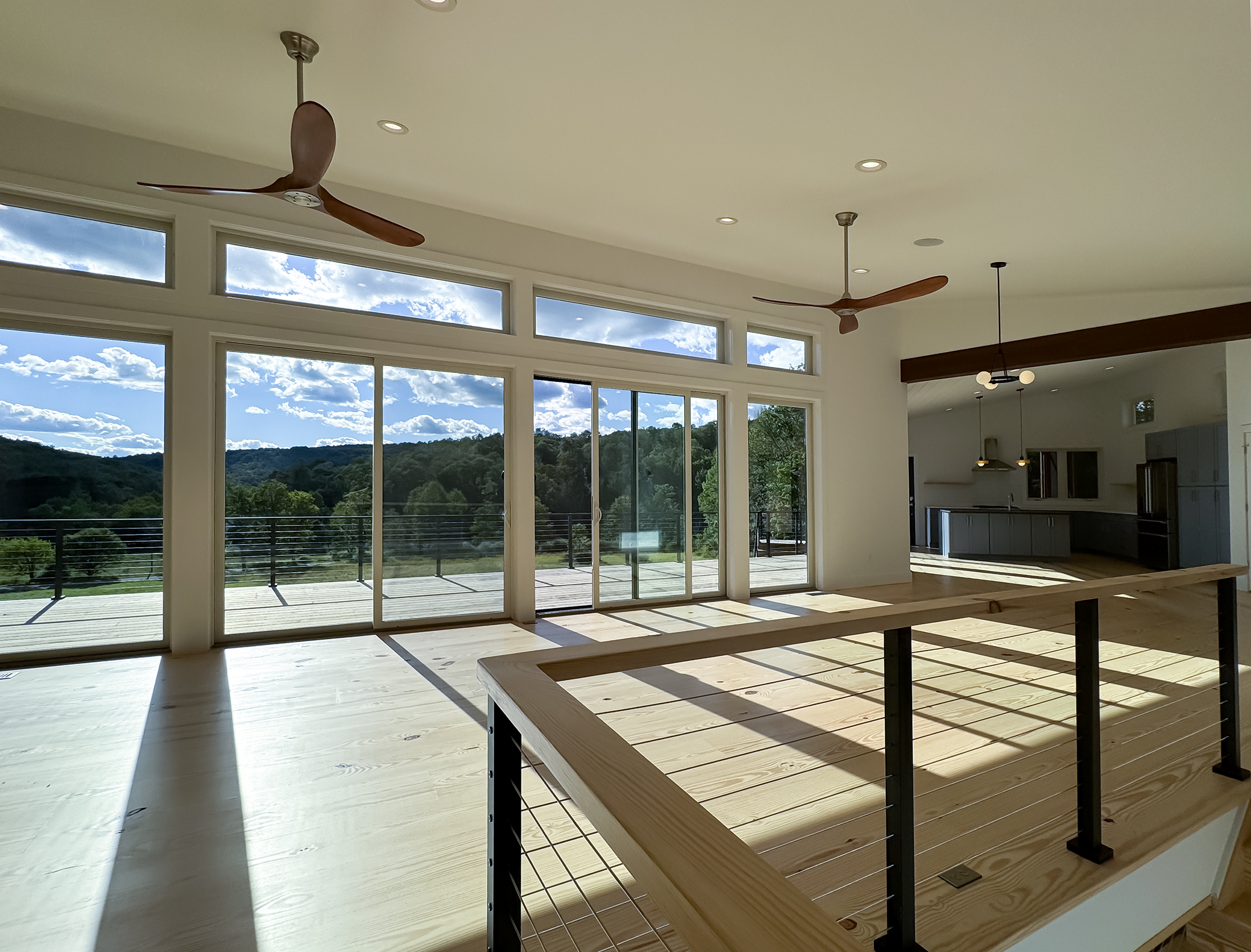
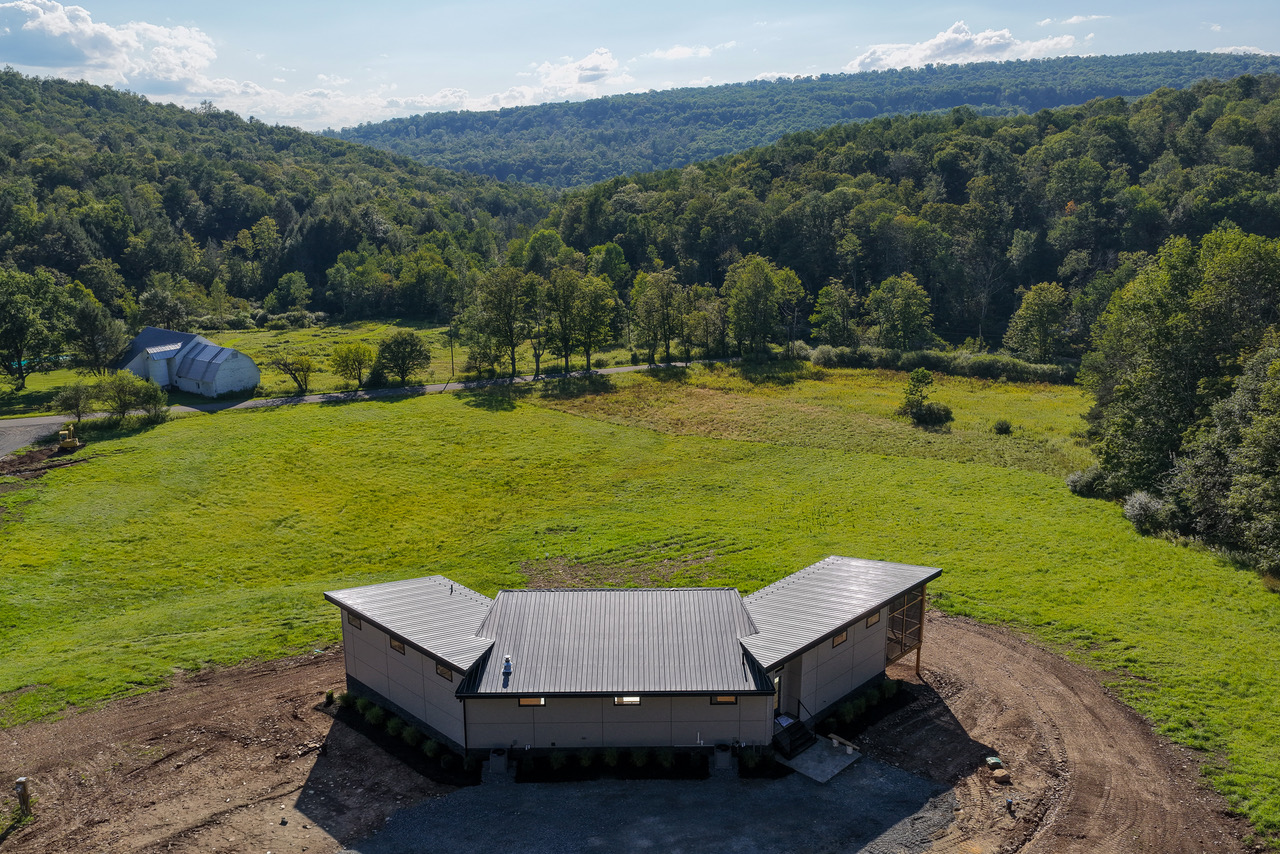
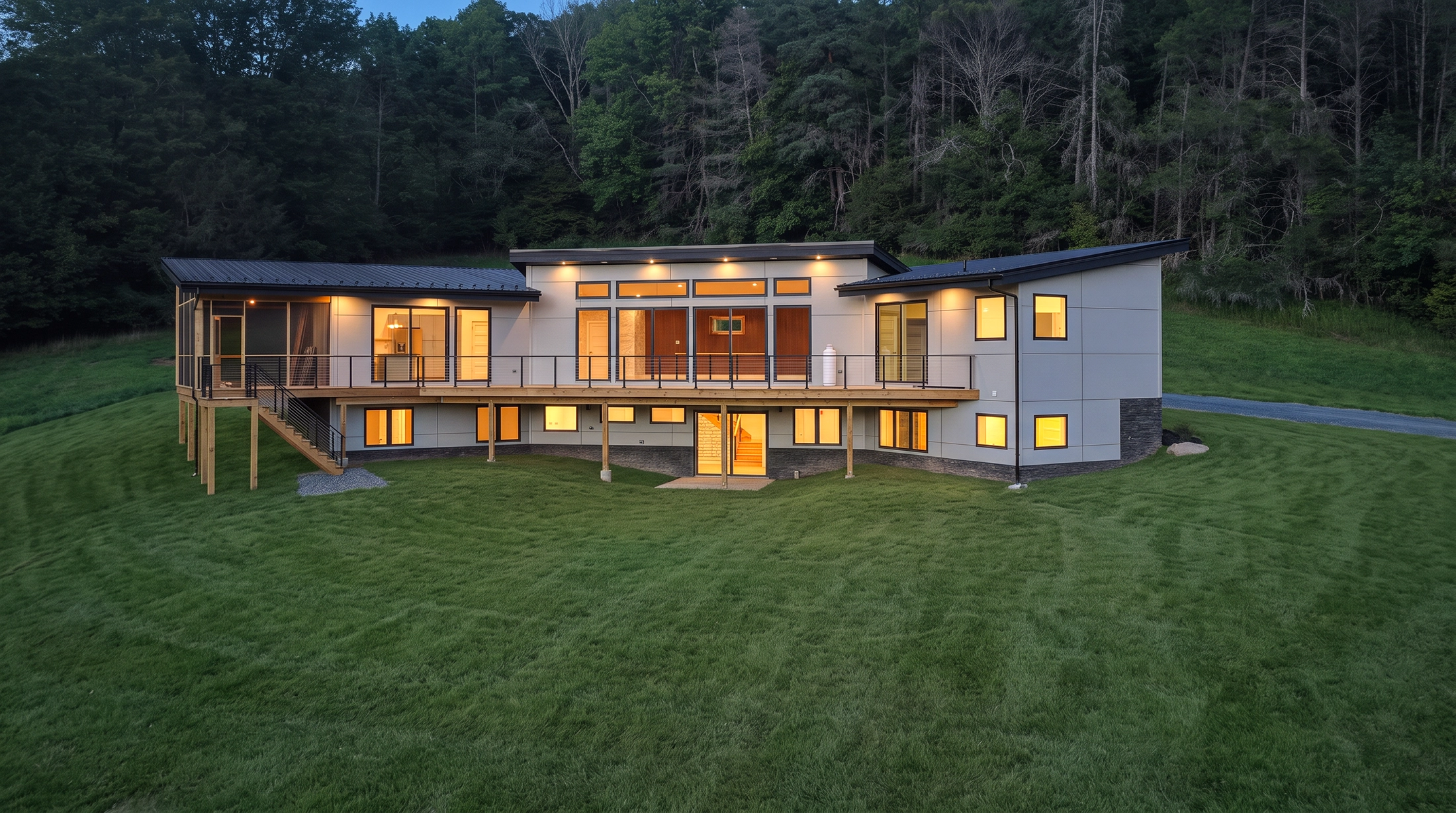
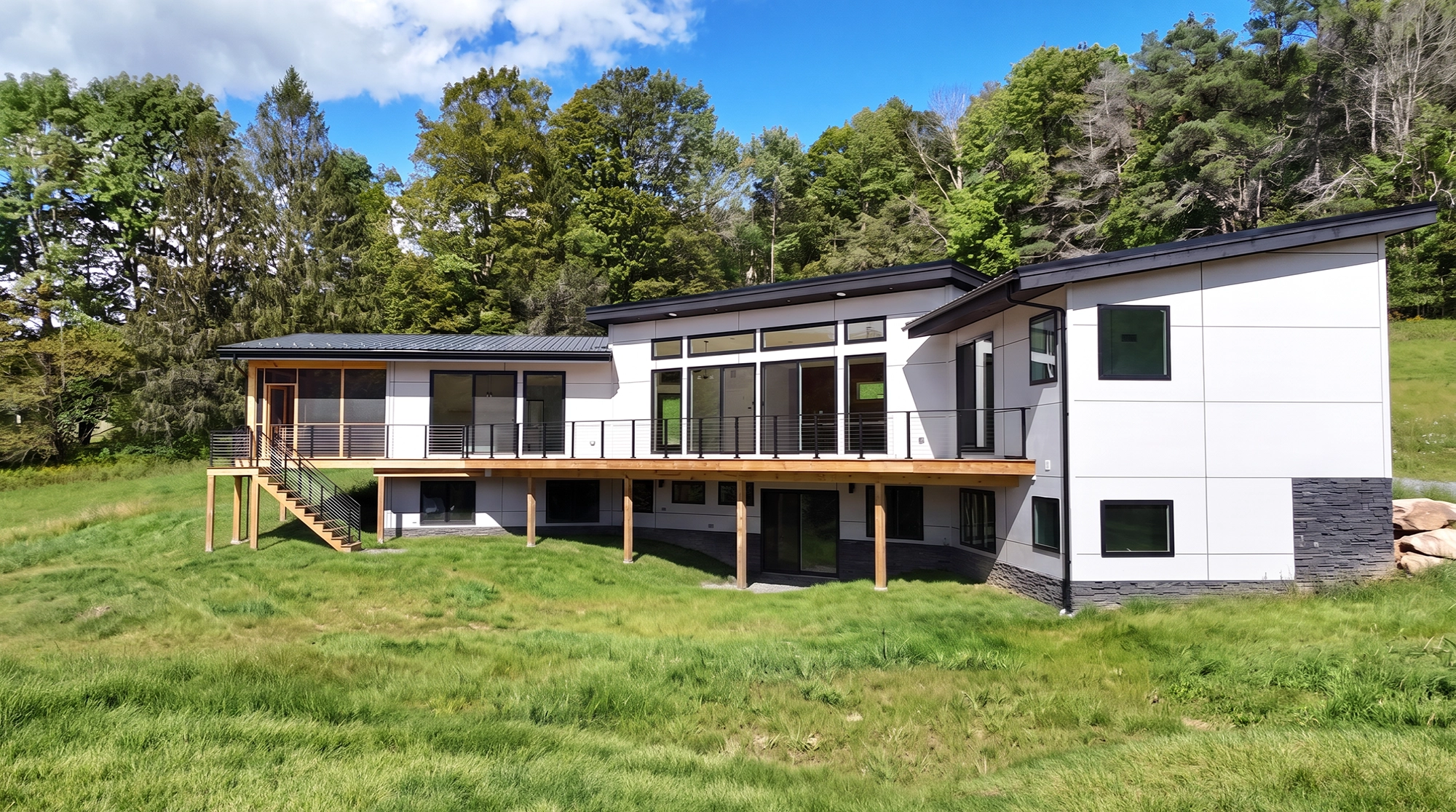
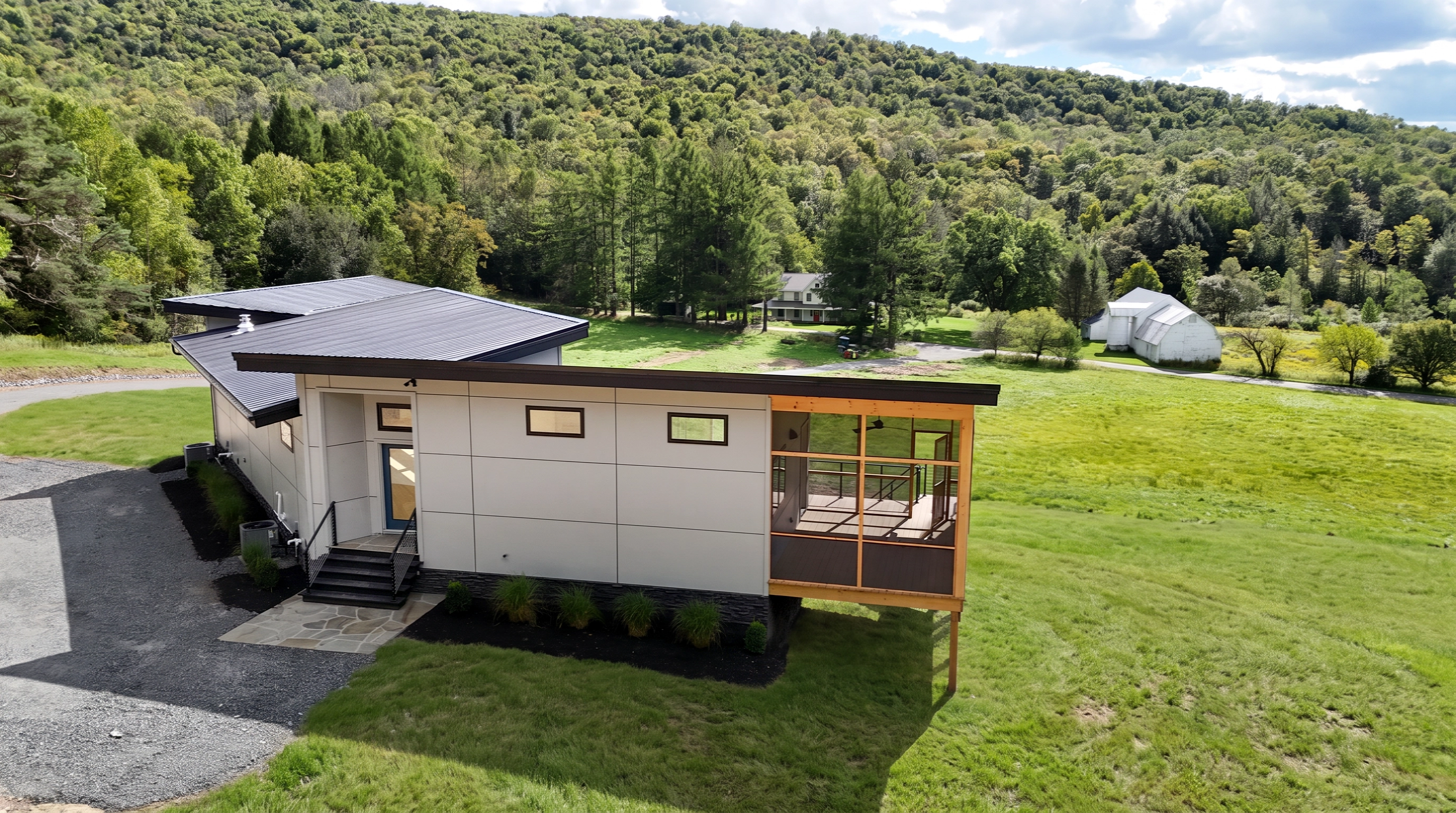
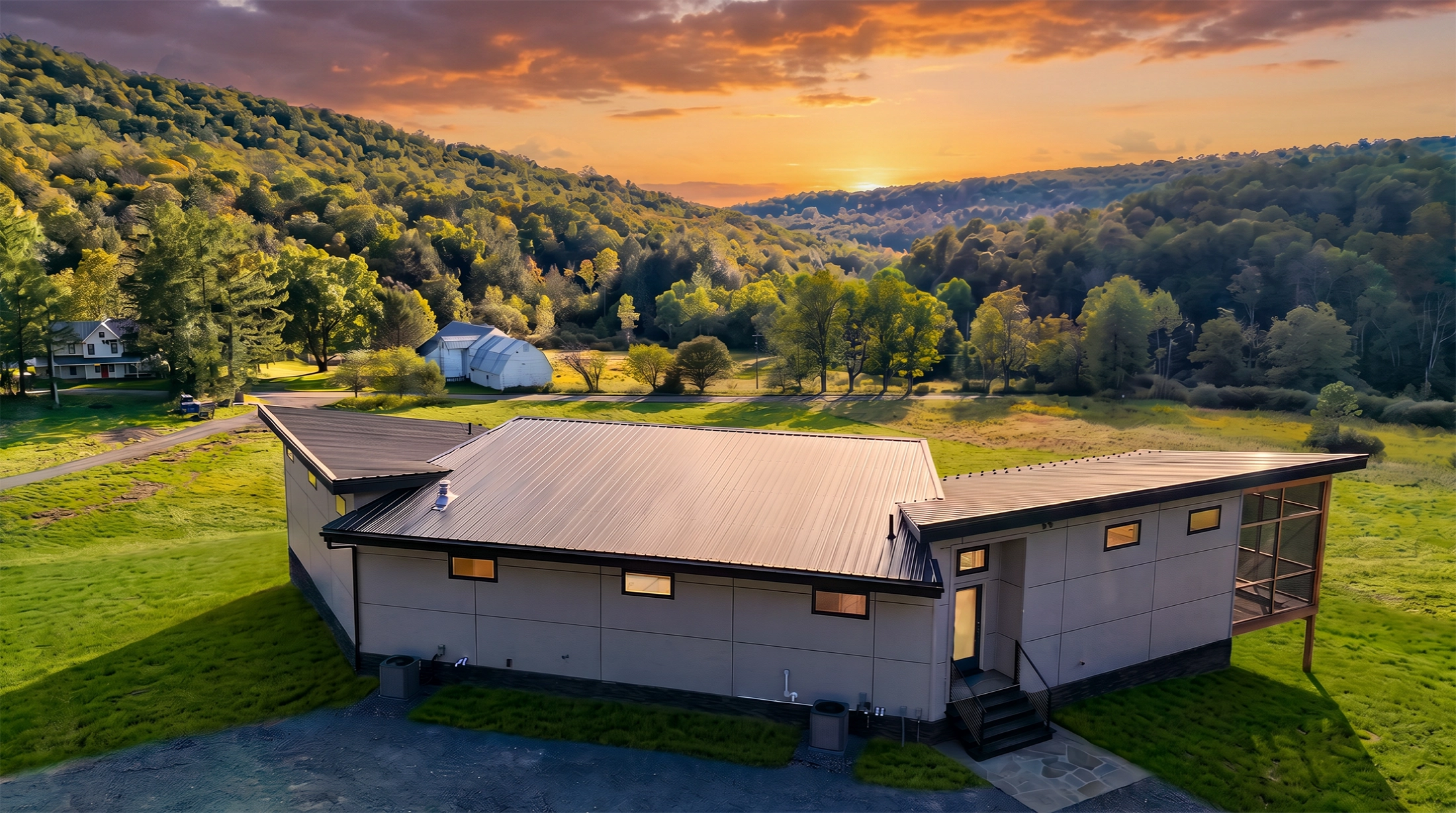
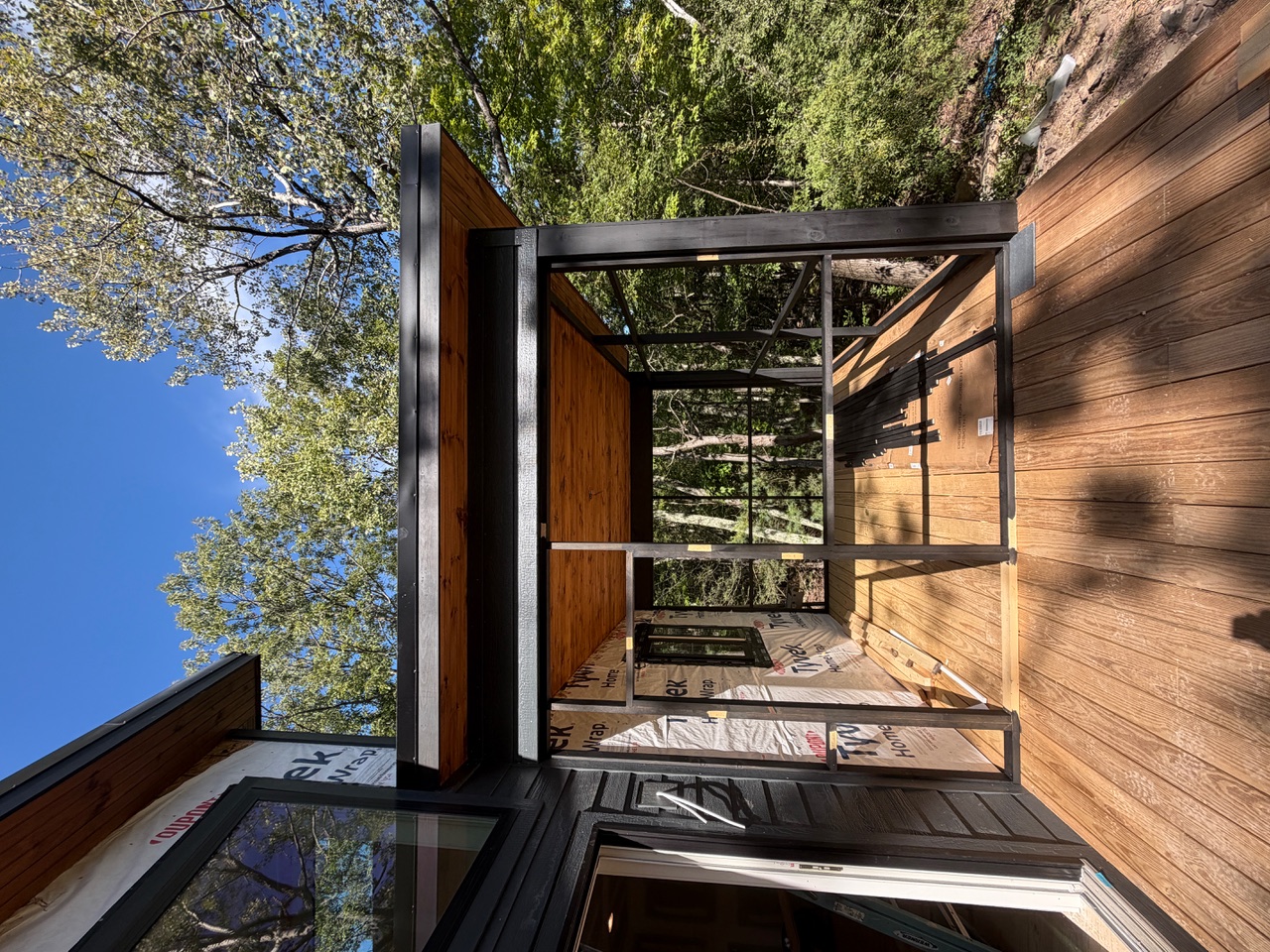
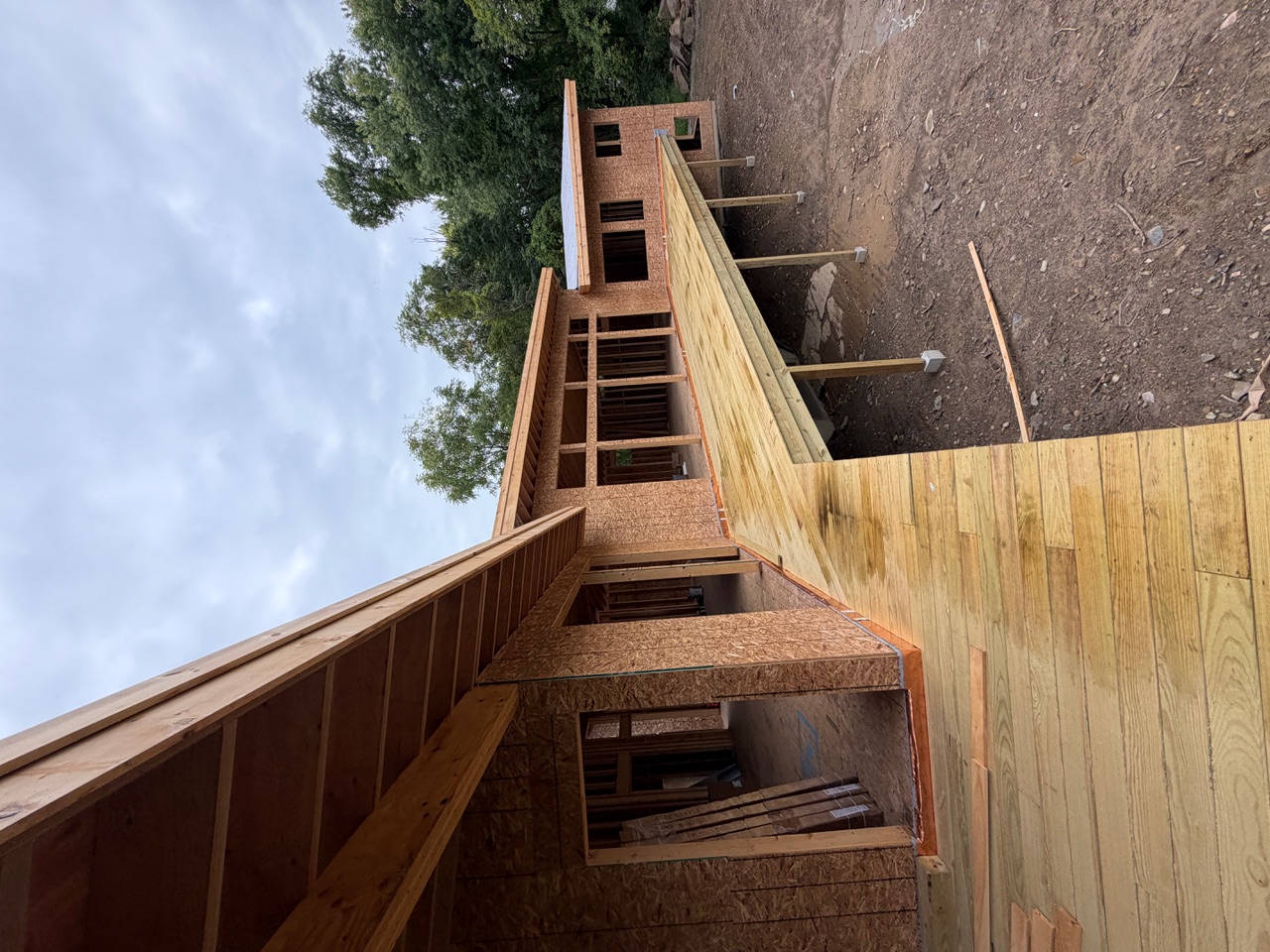
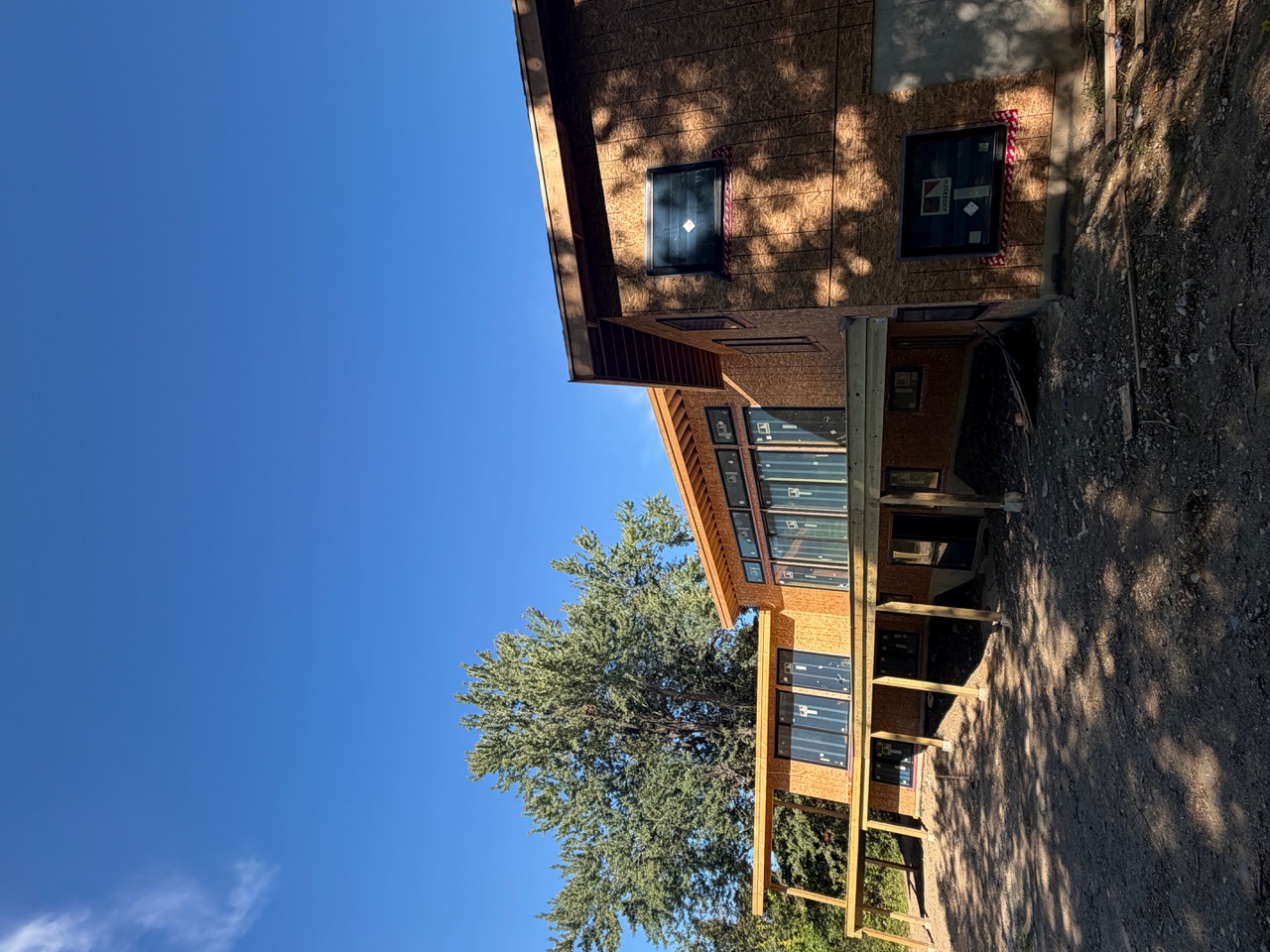
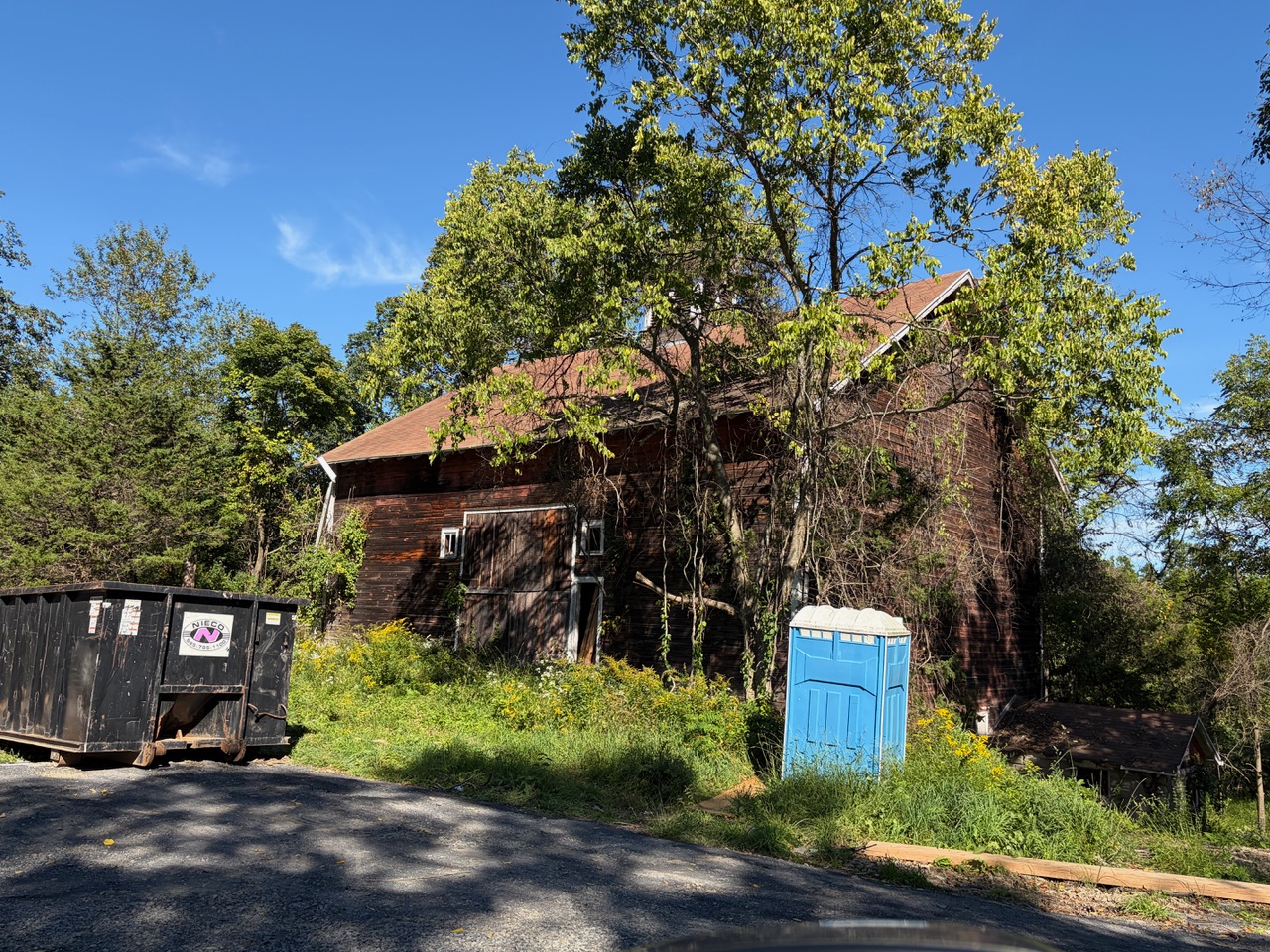
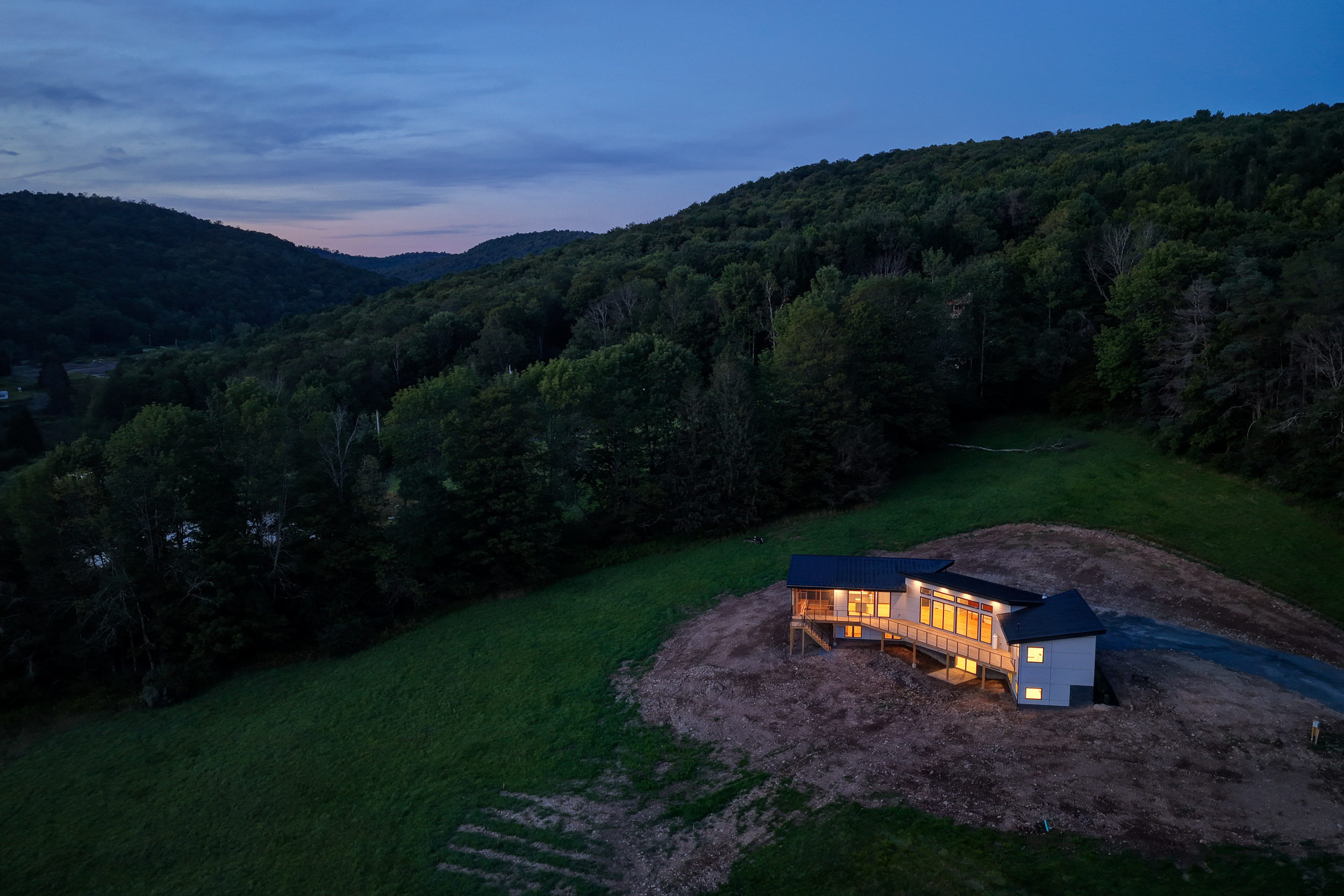
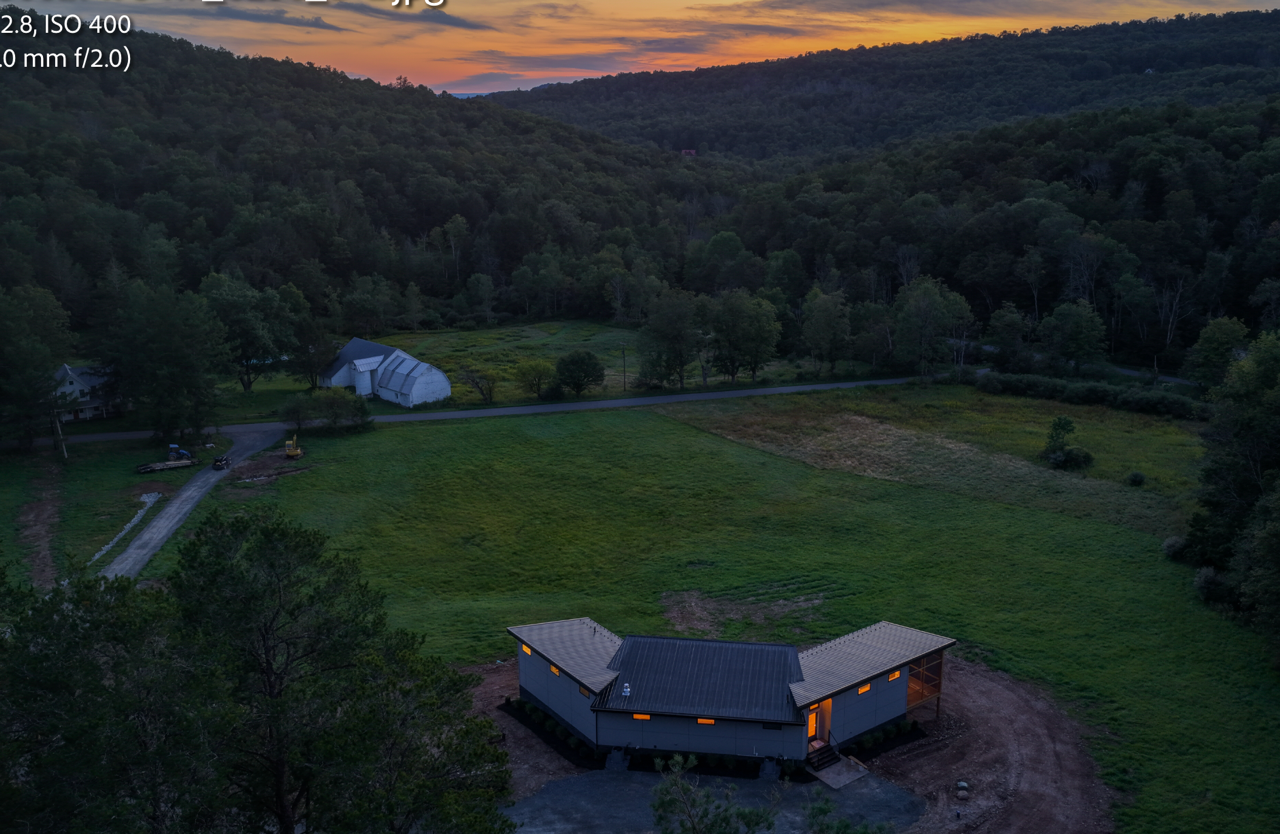
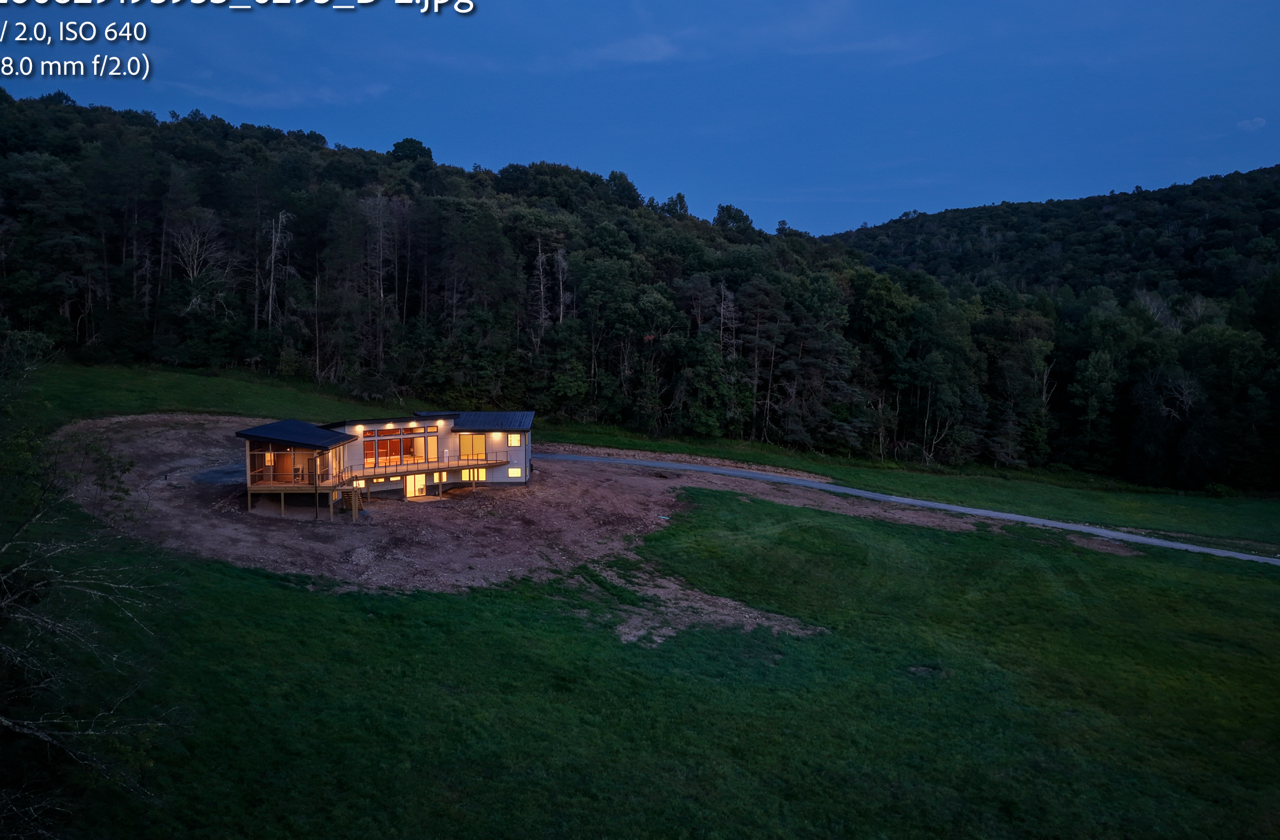
I venture down this line of thought because we just sold a house in north Fremont NY which was a pretty big gamble even for my risk-tolerant, market-knowledge self. It was 9 acres or so, on an open hill, with a good vista view. I paid $90k for the parcel which is possibly the most I ever paid for a piece of land in Sullivan County, and then selected an improved version of a modern home we had only ever built once, in 2015, that Erik Freeland resold for $1.8m earlier this year. The home is bigger, ranch-style - meaning a larger house footprint, meaning higher foundation and roof costs. We got it started last November and then bam, winter came December 8th and never left us, so it sat there until spring.

The house is unique - Unique for us, unique for the market. What I’ve seen over the last few years is that interesting construction sells, especially if priced right. I haven’t had the time or office personnel to experiment too widely so we stuck to our fun, interesting and tried-and-true models for a few years as I put humpty dumpty together again. But my business success for the longest time was based on my willingness, and ability to be creative and take chances with our designs. Which is actually really hard - a lot easier to just build the same house- interesting or not - over and over again, on single parcel building lots, with no efficiency of scale or piggy-backing of one site's effort to another.
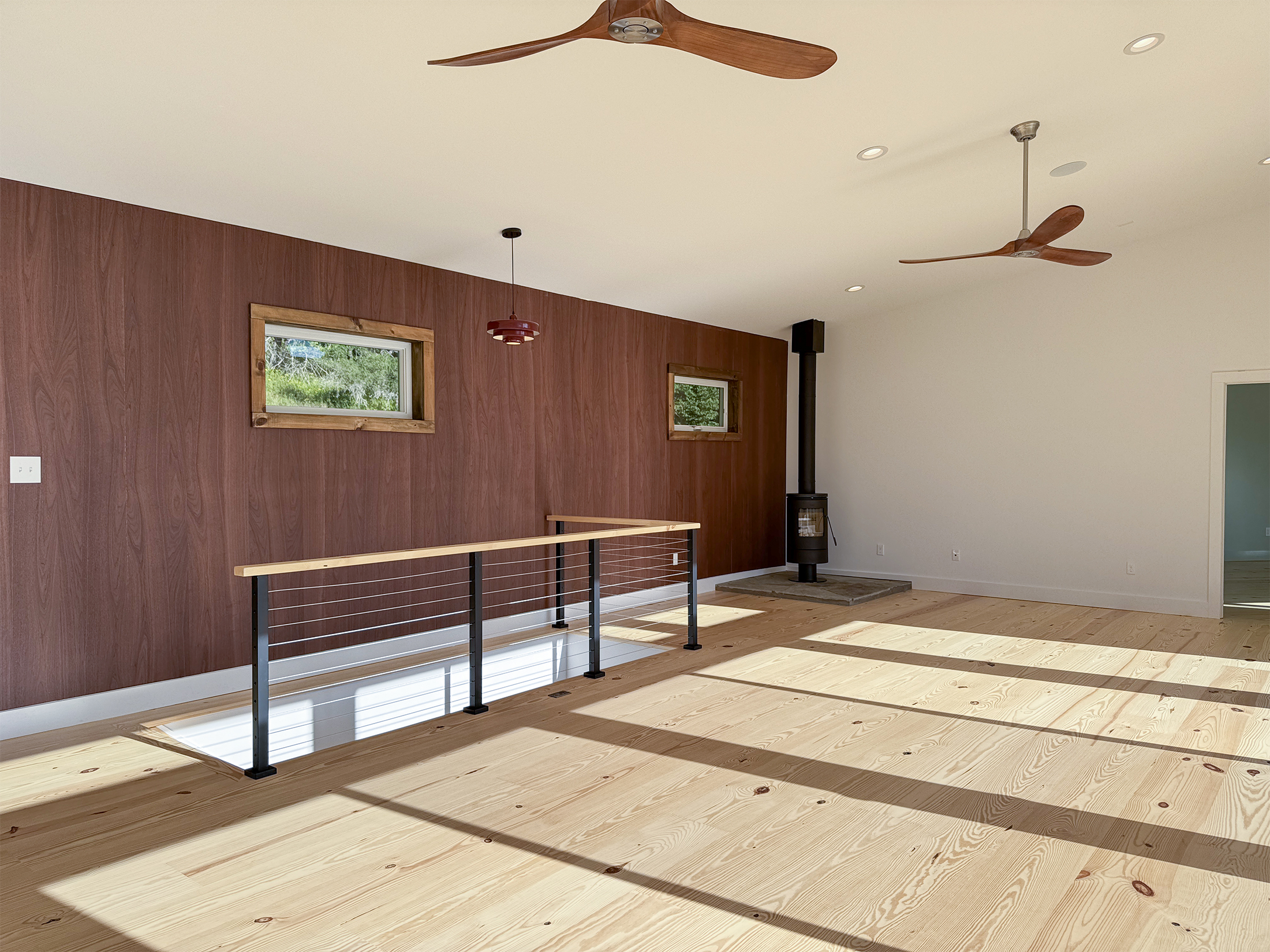
So I bought an interesting piece of land, built an interesting house on it, experimented with interesting design ideas inside the home, spared no expense in terms of completing the home (landscaping, etc…) - really, just maximized my knowledge - both market and creative.
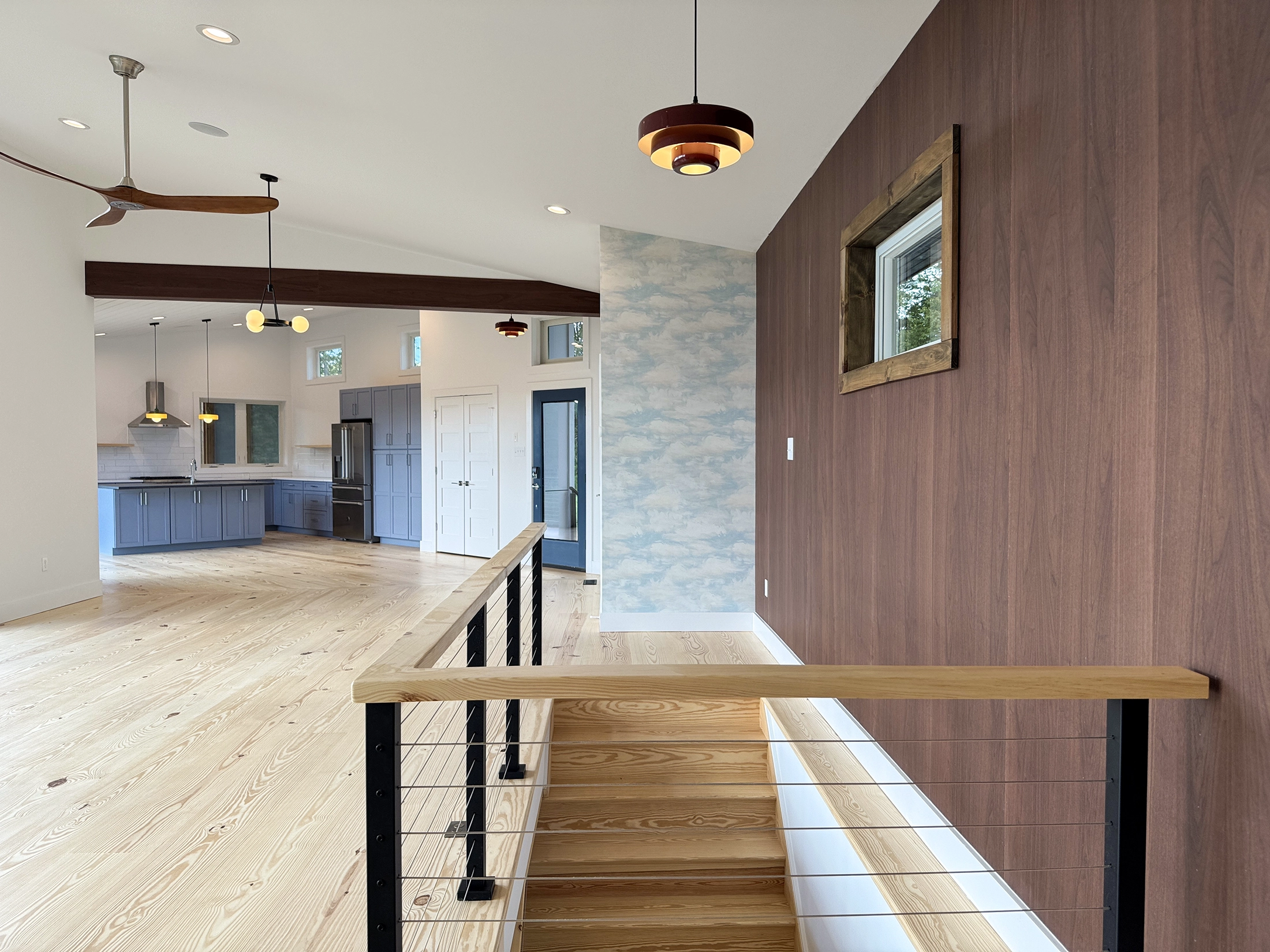
And the first couple that saw it, bought it. No delay, no realtor, no marketing effort or expense. Monetized that mofo. As I look at the profit and loss of that job this morning, it’s not a homerun by any stretch, but it’s a solid return, a return that didn’t really have the margins for a long or expensive sales cycle. The deal took no more than 35 days from first showing to sales transfer. So, it’s done. A successful high stakes gambit into the ethereal world of real estate speculation, in the middle of nowhere, with a new design, and a lot of fun design experimentation. It takes balls and it can go south very quickly. But it leaves you wondering what the free-market would have supported for the home, under the guidance of a good realtor.
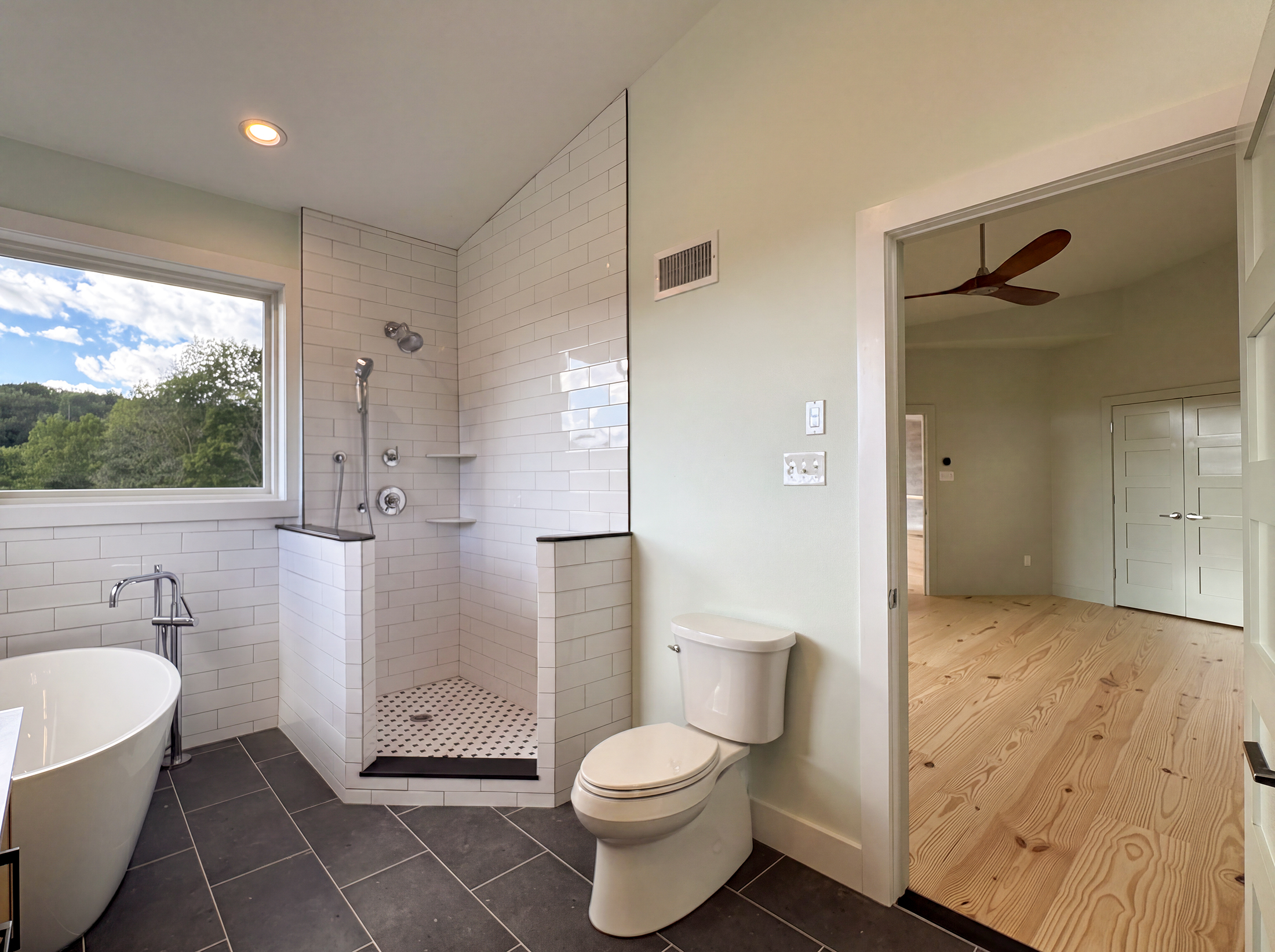
So thank you Marco and Michele for just being really nice people, serious and trustworthy, partnering with me, who can be said to be the same under the right circumstances. It was a relatively easy lift from a relationship standpoint compared to most of our sales, designs and construction relationship lifecycles since they were buying a completely finished house (sans punchlist) compared to a 8-14 months build process, but win is a win, and this was a win all-around.

My Friend Eric...
My friend Eric said, ‘oh, so you get engaged and your blog posts go way down?” Is he right? Probably a bit. I do have less time on my hands, and needed respite from the 24/7 365 project problem-solving life I’ve been living. And I do need the prompt here and again to help me keep my priorities straight.

I drive a lot, and on those drives I listen to podcasts and audiobooks. I like the Ramsey show a lot. It’s a personal finance show for dummies sort of thing - that’s not fair, since I’m no dummy and I learn a ton, even after listening for years. But it’s sort of your ‘grandmothers way of managing money’ - stay out of debt, buy what you can afford, save money, invest in what you know, let time do its magical compounding, don’t buy new cars. But, and I’ve mentioned this before, the dumbed down simplicity of the advice is helpful, but a few elements are harmful enough that I can’t always listen. Dave Ramseys knows a ton about a ton, and his small business insights are spot on, but to make his numbers work, he plays fast and loose with some important aspects of the reality of wealth building.
He takes his thing about cars too far. Yes, stay away from brand new cars and their insane depreciation unless you’re rich. But the idea that if you do find yourself with a car you can’t afford you should always ‘private sale’ it and that gets you a few thousand dollars more and that helps the get out of debt equation more. But if you’ve ever tried to private sale a vehicle, you know first-hand how difficult tedious and arduous that process can be, including the actual transfer of title, signing it in the right place, bill of sale. Yes, taking it to a dealer results in whole-sale pricing, but if you value your time, and actually the odds of success, that’s the route to go.
Also, the idea that you should buy a beater, a cheap cheap car until you are out of debt ignores the very true fact that a car that requires constant care and repair can drive you right off the road in terms of wealth building, debt reduction or life stabilization. As far as my life experience has shown me it’s that an unreliable car that needs repairs (there is no such thing a cheap repair anymore) is a true problem that can’t be understated.
But the real problem I have with Dave Ramsey is his mantra of that stocks always go up, and they go up 10% all the time, with some corrections to be expected but those corrections are short, and regardless of your time frame of needing your invested cash, you should put it in the market, where you should count on your money doubling every 7 years (rule of 72 where you divide the interest rate into 72 and get the years until your money doubles - ie, 12% is 6 years, 6% is 12 years). That maybe true since 2009, and maybe more true since 2016 or even 2021 where returns of 20% have been seen, but it’s not true over the course of the history of the stock market. Since there has been no correction recently that spans a languid decade, he can get away with it, but when I hear him telling a 65 yr old couple who has been investing in CD’s for their entire lives and built up a substantial nest egg, to go 100% equities because it will double in 8 years, without exception or caveats, that’s just downright irresponsible and possibly if there ever is this correction that history seems to demand, he will be seen by many of his followers as a true charlatan.
Recently, I’ve been listening to Founders, a podcast that summarized autobiographies and biographies of interesting leaders across the business, political and cultural landscape. The host reads them - he is a voracious reader - and then quotes and discusses them at length over the course of 30+ minutes. Last week I listened to a take about Michael Bloomberg, and today Sam Walton. The Sam Walton was good enough I then downloaded the audible version of his autobiography. Both these men have and had similiar approaches to work - everyday, all the time. I know that drill, and it's the only way you build things, if you are first generation.
The other one is the Scholar Wealth podcast, which is a podcast not for dummies about all things finance from hi-tech startup cash outs/earn outs to long term care insurance to legacy donor advised funds to counterfeit wine investments to lumpy income strategies. These guys do not oversimplify like Ramsey, so there is no have-you-cake-and-eat-too advice. There’s no free lunch, there’s no easy riskless option, there is no sure fire plan. You need to diversify, you need to plan, and you need to hedge against the black swan event and rainy day.
On the home building front, we are moving right along with our projects. Down a few men, which has slowed us down a little, plus well-earned vacation time. But a slower calibration as winter approaches is fine, perhaps for the long run. Solving some big-picture problems that were weaved into my everyday routine, nipping away at them, one dead end after another, pivoting, creative problem solving - never stress free and many times quite stressful, hard to put away at the end of the day, and solved over months not hours or days or weeks.

We have our modern masterpiece moving towards closing - which was an interesting test of my discipline of ‘one in the hand is worth two in the bush’ as we got an offer directly (sans realtor), before we furnished, before we marketed, before exploring what the market might hold in store for such a product - in lieu of the exploration, we have a solid deal with lovely people, a 7 day contract turnaround, a 40 day closing date and monetization of the 12+ month project. So I swapped what might have been with what was - taking out the guesswork, allowing macro planning for the business that is bigger than any one house. Like I’ve said a lot, the amount of money I’ve left on the table over the course of my career is huge, but at the same time, it appears to be true that it has always allowed a quick sale of our homes, keeping the cash flowing, and the confidence in our ability to build and sell strong.
The Ranch is in contract, AI, eavesdropping, and Friday Night Lights.
AI is presenting a lot of interesting situations for me and I watch with curiosity of where this will go.

One, is empowerment, and while that seems like a positive word and sentiment, in the wrong hands it is anything but. For instance, right now I’m having a sumo-like chest bumping who has got the bigger package in the pants type of quarrel with a subcontractor, which isn’t that unusual. Construction is hard, money is delicate, and disputes of all sizes arise all the time, and for the most part, it’s my job to fix them. So this tradesman who runs a small company is under-performing not just in scheduling and performance, but also in quality management. Since we keep a close eye on things, all the above deficiencies are identified early, remediated, or addressed, sometimes by parting ways with said contractor.
When this happens, their logic is always suspect, less than well-rounded, and never open to a wider perspective. Now however, they can turn to AI for not just affirmation, but a well-crafted perfectly formatted legal letter laying it all out on the line, developing and extrapolating their small kernels of situational awareness into a full-blown cogent argument that allows them safety in their position, even if it is self-defeating.
AI isn’t asking hard questions about how the situation occurred, the relative consequences of the action/letter, the faults of the person requesting the letter, or the merits of the approach. Scan in the contract, prompt Claude or Chat, and wham, you are a genius. And if you really don’t know what you’re talking about or have any experience with the subject you are dealing with, you can feel very smart by the logic, argument and as important as anything, the formatting and spell-check of the document, in what, 4 minutes.

In this case, that 4 minute document got them thrown off the job, since it was apparent they were even stupider than they looked by substituting an adversarial AI letter with conversation and compromise.
Another subcontractor is using AI to price their jobs - small excavation project pricing depends on a lot of things - proximity to the\ HQ of the contractor, amount of work (too small is always expensive). So instead of figuring out how long it would take, and the various factors of production, they plug in some simple parameters and come up with pricing that could be considered justified by whatever logic Claude is using, but doesn’t take into account the practical implications of actual time and cost - not all contractors are similarly composed - some have the right machines, some have more efficient processes, some take long lunches and arrive late on the job. AI can’t price the profitability level of a job - that’s up to the individual contractor to measure based on a host of factors. AI will nearly always price a project or task too high since it doesn’t and can’t take into account how bad the person wants the job.
And then we even had a client who had an idea of furniture placement that ran counter to logic, but he plugged it into AI, got affirmation and support, and hardened into the position. AI doesn’t argue, debate or pivot - it agrees. Ask it a question in a way to achieve the answer you want, no matter how slight the hint, and you will get it. And you will get it in a form that can be used for cogent debate.
The issue is, the time it takes to craft cogent arguments, and put those arguments into proper form, is the time it takes to raise self-doubts about your logic in the first place, and that self-doubt and critical self-examination is part of the process of self-defense, and many times you realize during the emotion of rebuttal and response, that you are wrong, and you should ‘stop digging’.
Another thing that is true is our phones are listening. Without a doubt. It’s not an anecdotal story of coincidence where you can’t quite remember but weren’t you talking about house plants the other day and now house plant memes are showing up on my tiktok feed type of things.
No, it’s blatant, like telling my fiance about the wonders of freelance marketplace Upwork, and the next day and week she is fed for the first time dozens of ads for Upwork.
And if the phone is listening, then watch the Edward Snowden movie and see that the government is capturing all those conversations, and running them through AI for threats and risks, and then go back up top to the beginning of this thread about the relativeness affirmation bias of AI. A tool for fighting terrorism, this mass surveillance will also be a tool for mass, subtle, constant opinion manipulation. You think you are thinking for yourself, but you are only regurgitating information that has been fed to you in insidiously invisible ways, shaping, forming a propaganda mindset deep inside the layers of the mind.
Though, this article on CNET explains it differently, so everything above is just paranoid conspiracy thinking I guess. But that's what reading can do - help you think through a problem.
That’s the takeover- not necessarily computers running amok, but information so distorted and disrupted and tailored to your individual weakness you never even knew it happened. Walking breathing bleeding bots, manchurian candidates lacking free will or thought. And the less you read novels, magazines and books, the more you are susceptible.

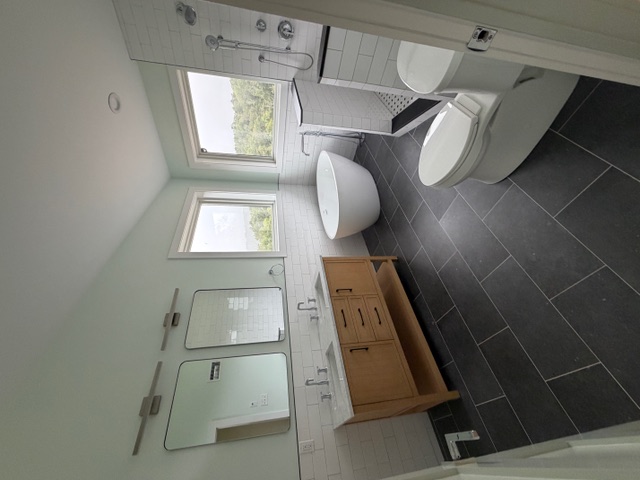
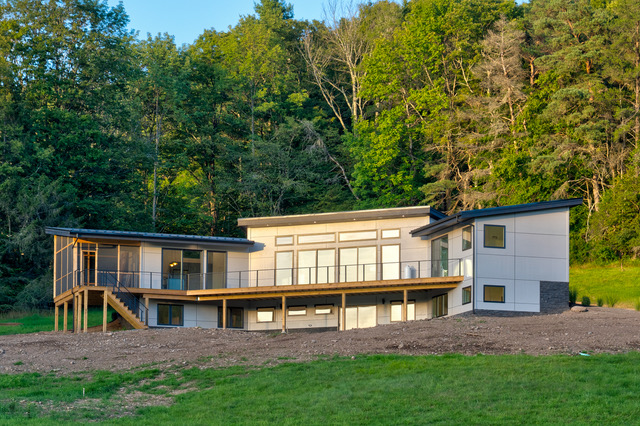
As for free will and thought, this Modern Masterpiece took a lot of both. Free will to buy the land, roll the dice on the house, experiment with materials the whole way through, engage some clients as it was finishing up and then landing a deal before it hit the marketplace, freeing up cash and refilling the risk reservoir for future endeavors. It’s a big win - taking the risk on the piece of land, dreaming up a new house, spending a lot to build it, taking some risks and then selling it myself, direct to consumer. No one else I know - literally no one - can do that.
My son’s football team has lost two straight to teams a lot better than them, but they have been great games, pre-season. A few worrisome early injuries changing the makeup of the team, but he's got poise and looks great.
.JPG)
Thoughts, and a House in Contract (most likely)
Oh yeah, in 2023 when I was dating this fine young woman during my Asian Fever period, she was working in the Fintech space on a startup which had a lot of investor interest and right before a sale, the purchaser started asking about AI integration and how that was going to work with this product, to the surprise of the company developing the product - I’m only mentioning it because, yes, once again, Like Forest Gump, I was at or near the epicenter of every tech milestone since 1998 and literally, unlike Forest Gump, purposely or by accident participated financially in none of them. And even by some grace of god that I actually did read the tea leaves, the chances that I would put $1000 in and let it ride for 20 years and now have it be worth $10,000,000 like you see in all the ‘what if, FOMA’ scenarios, is again, literally zero.
Buttttt, I did see and pounce on the Upstate Opportunity. Actually, that’s too modest. I saw and then created the Upstate Opportunity. Literally created a market for new homes out of thin air, and then nurtured and nursed that idea for decades, with a day to day effort that couldn’t be exaggerated if you tried. It’s still true today - the day to day effort of leading from the front, problem-solving, shirking no duty - remains. It’s why our profit margins allow me to pay pensions, retirements, holidays, some healthcare, and vacations. It’s why several of my employees and past employees have a million dollars in 401ks. While I milk the company to my own benefit as is my right and earned honor, the amount that gets shared is real, earned, and can’t be diminished. It’s mostly unheard of for a mid-sized construction company to generate enough profits and be administratively adept to fund and manage these programs.
And it returns me something that is second-nature to me, but would be a temptation for others, and that is the trust and other people’s money that flows through my hands weekly - bank debt, employee tax withholdings, retirement and pension payments, client deposits, construction payments. It’s how people get in big trouble - hit some rough waters, borrow from Peter to pay Paul, divert this, commingle that, defer those. And you never get straight, and you have to keep doing it, and eventually you reach the end of the shenanigans - that’s why bankruptcies can seem so sudden - because there are so many ways to string out the decline - credit cards, not paying bills, diverting funds - so many ways until they are all used up, and bam, ‘overnight’ collapse that was years in the making.
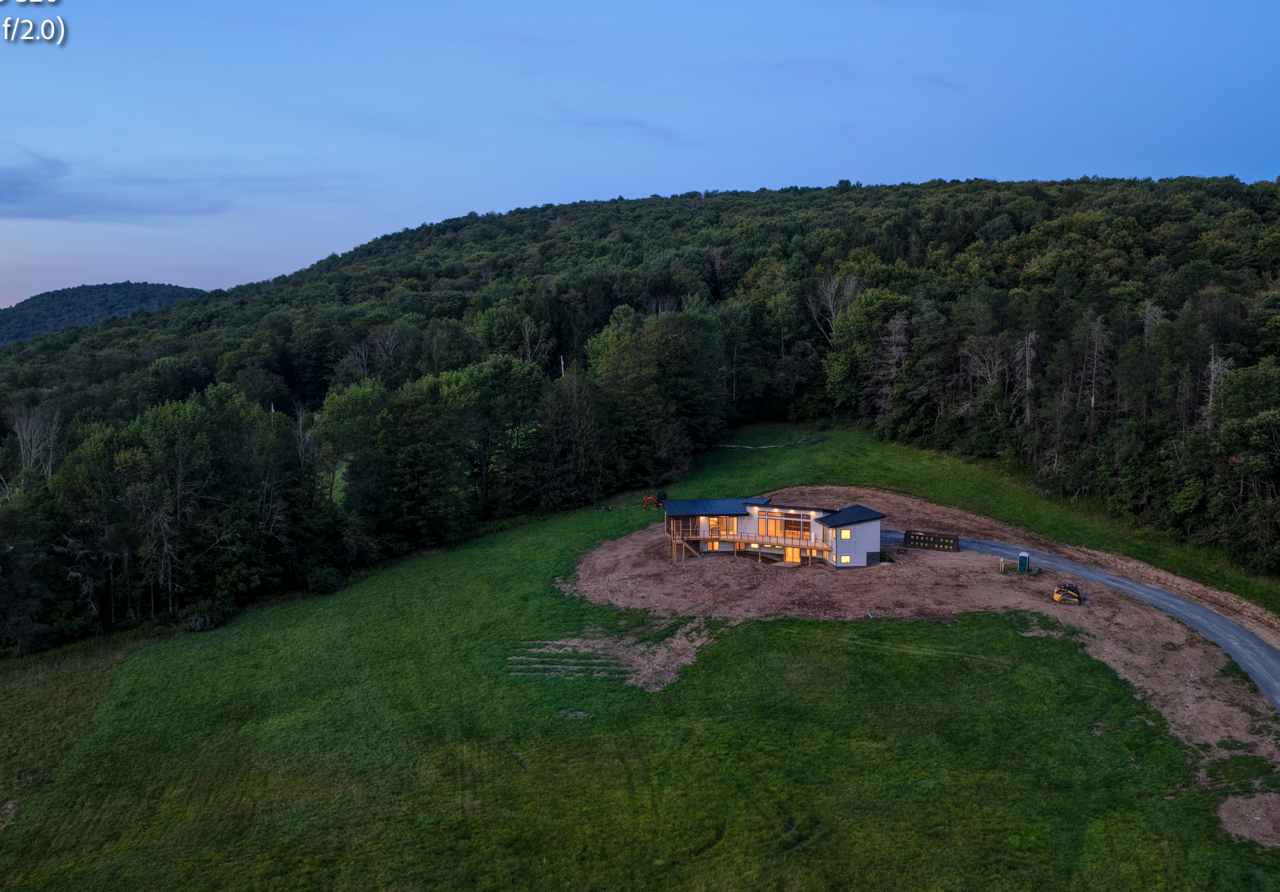
I took some big swings last fall, buying 7 or 8 pieces of land that we are building on and selling now. We sold the Dymond Barn, that was huge. We put Wynkoop Ranch into contract, that was huge. And now, wait for it, our Modern Masterpiece in Fremont NY the very week we finished it, is going into contract in an all-cash close in 30 days deal That solidly turns the financial corner for the big swings of last fall. 25 years and I still got it!
What’s true about the McColly Ranch, is the team I have in place allowed me more creative flexibility than I’ve had in a long time, and I took that freedom and flexed what has always made the difference in Catskill Farms - I have a good eye, rumored so good I must be gay. But unfortunately for all those fair-haired boys with lusty thoughts, I’m just a unicorn - Straight guy with a sharp eye. Used to actually really burn my sister up, who considered herself the artist of the family, that she’s stuck in an operations role and I’m out here designing shit every day.
Who said life was fair?
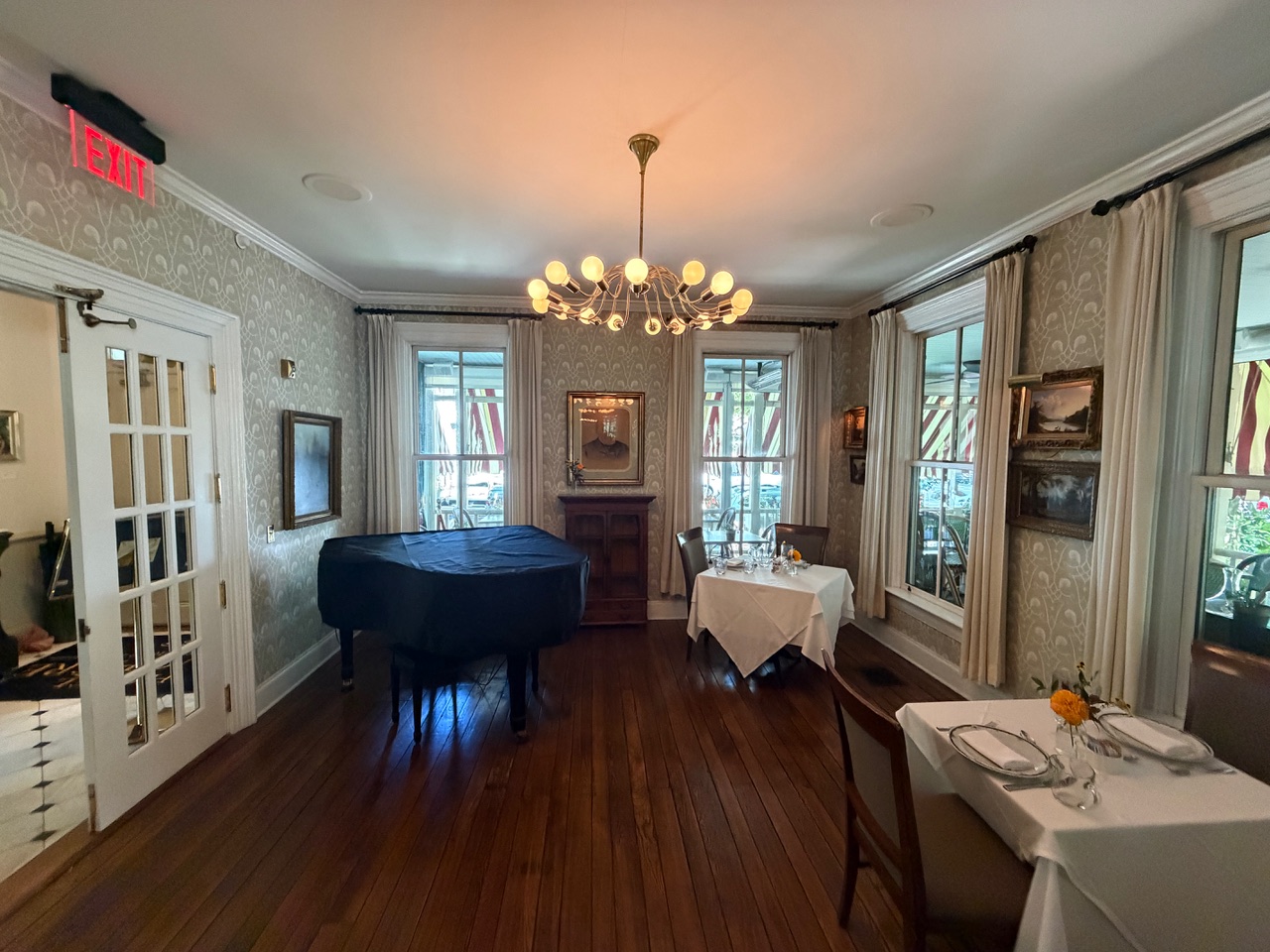
Me and the Bride on date night Sunday, with Opera in the Park in Milford PA.

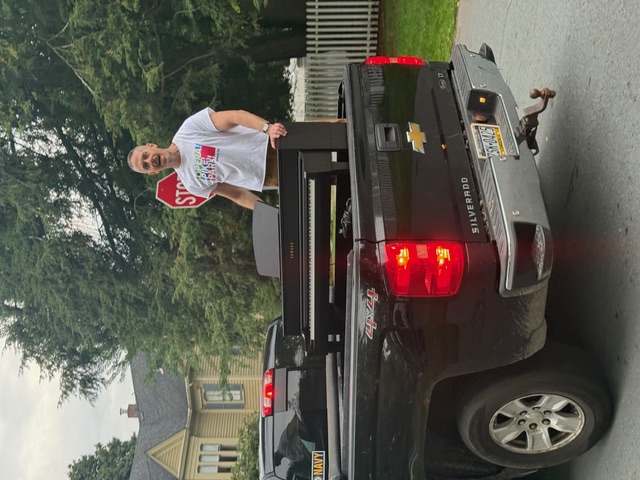
Moving the opera piano around post-event.
And my Son Lucas Petersheim, after two long years as a QB understudy for his HS football program, is primed and prepped and ready to go as the starter, with a game under his belt last weekend that proved he deserved the role, and that his patience and hard-work and commitment to the dream paid off. No one really knew how he was going to perform, and he played with confidence and skill. Toughness, like taking a good hit is like a boxer getting his lip bloodied - it focuses and engages you, takes you into the game. It's a running program, but he was 7-9 passes, for 100 yards, and two TD's. Many if not all of the throws were with defenders in his face and on the move. Good job Son. Happy for you. Correction, make that 3 TD's.

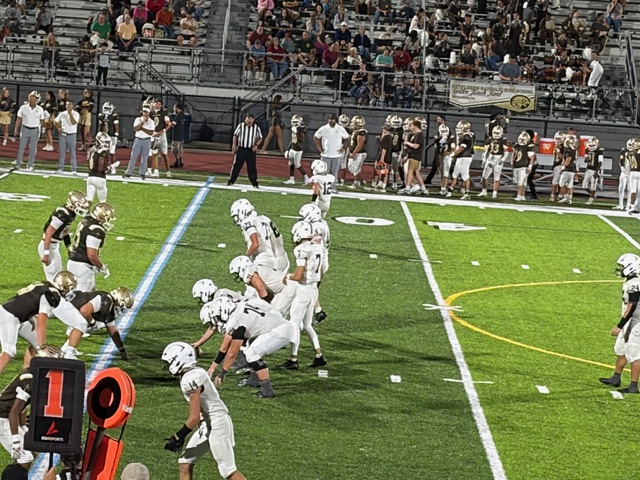
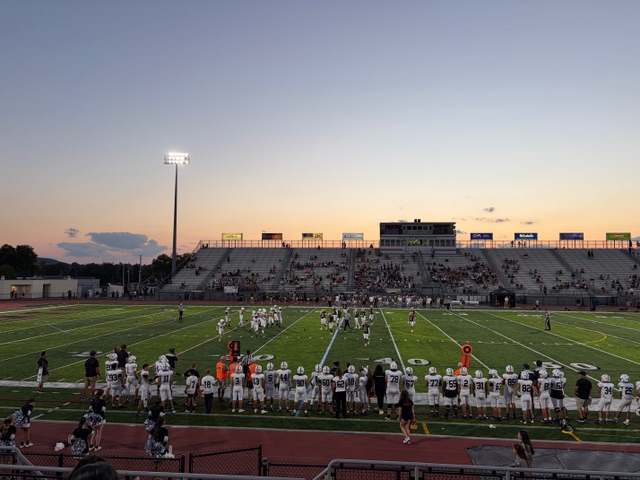
Friday Night Lights.


