

Our Town & A Little Life- A literary analysis.
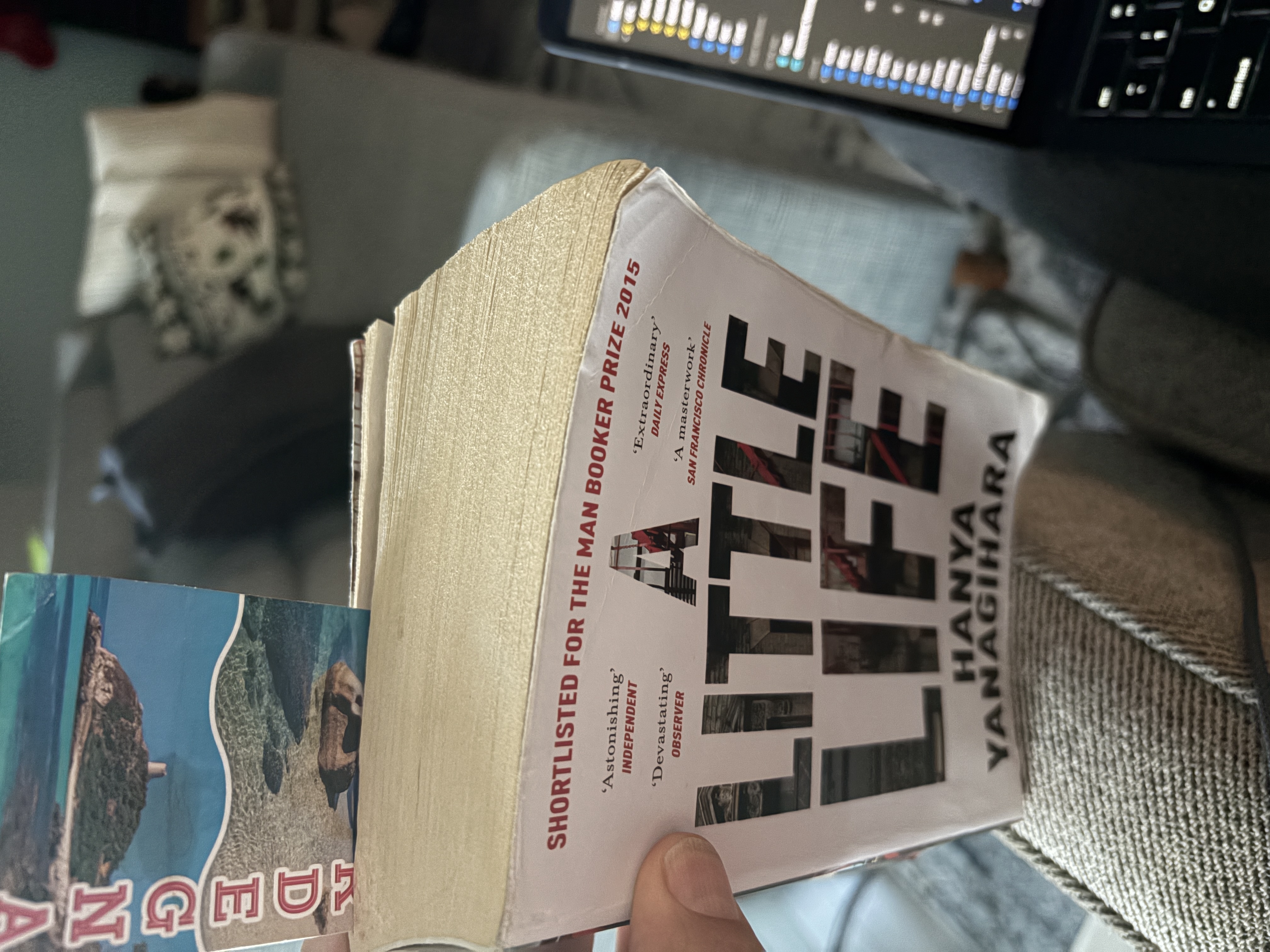
I’m reading A Little Life by Hanya Yanagihara. Published in 2015, shortlisted for the Booker Prize, over 700 pages.
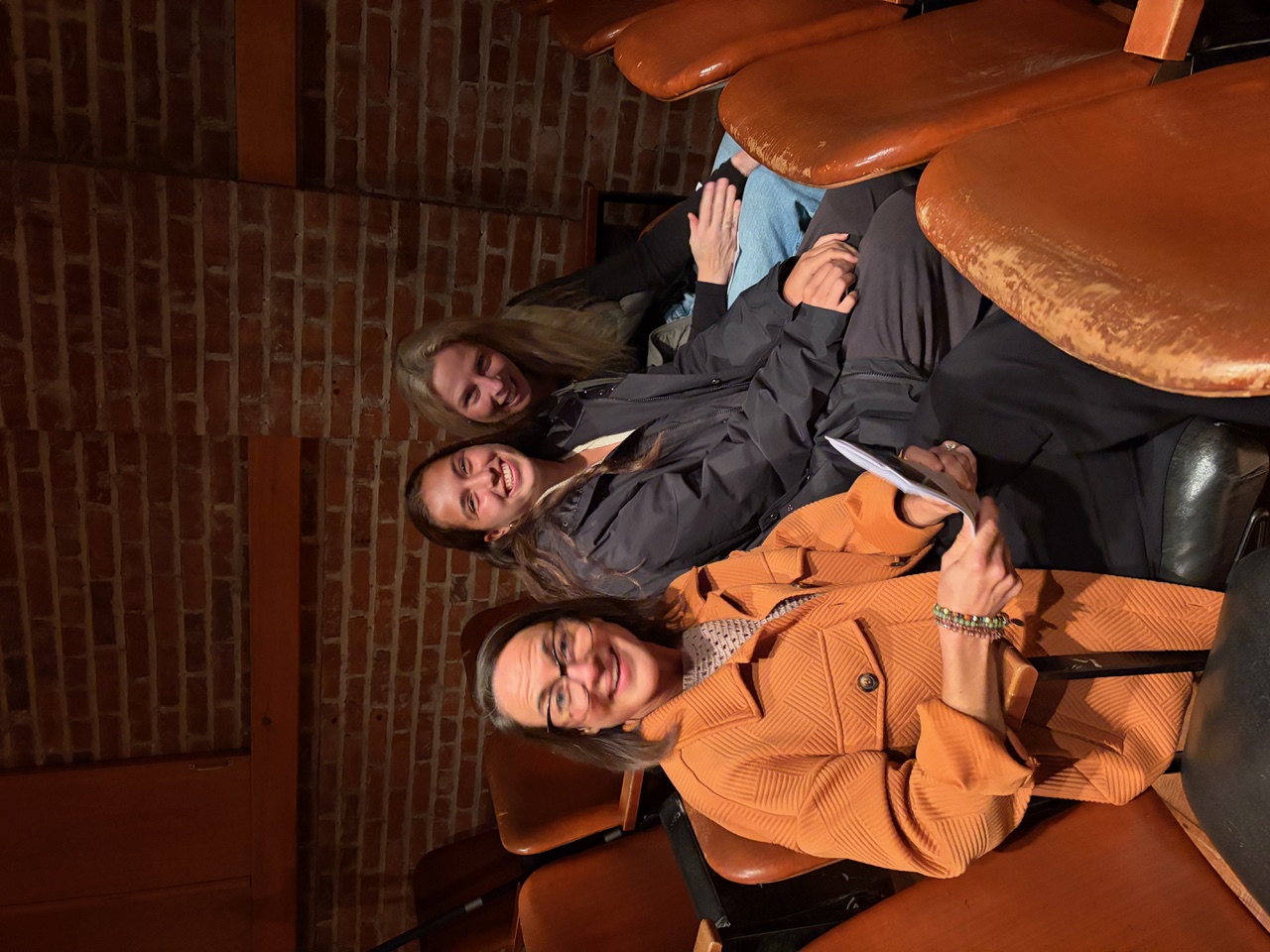
Last night with my main squeeze Jessica, we saw Our Town, a play by playwright Thorton Wilder, during the 50th Anniversary of the founding of the Delaware Valley Arts Alliance, as well as one of its first productions, Our Town, 50 years ago, in Narrowsburg NY. Wife and daughter of Eric from G5 Insurance were out on the town as well and we ran into those fine folk at the theater.
Little did I know, since Our Town was written and first produced in 1938, and A Little Life was first published in 2015, that their stories are remarkably similar, in terms of just tracking this thing we call life. The journey of life, the wonder, the prowling sadness, the futility, the purpose and pointlessness. The striving to control and protect and predict and force onto it (life) a timeline to our liking, rarely successful.

For those who haven’t seen a production of Our Town, it’s a story set in Grovers Corner in New Hampshire, between 1901-1913. A Little Life, described as ‘devastating’, ‘astonishing’, ‘extraordinary’ and a ‘masterwork’ by critics, tells the story of 4 friends in NYC from their early Twenties to the end of their lives. Both narratives attach themselves to people and families and communities, and offer a landscape of timelessness, unmoored by references to historical markers like WWI or 9/11 - the danger of AI is I can't recall what above was mine, partially mine, or wholly borrowed.
Claude,ai, says of A Little Life - A Little Life follows four friends in New York over three decades, but its real subject is Jude, a brilliant lawyer whose horrific childhood abuse leaves him convinced he is disgusting and unworthy of love. The novel is less about the abuse than about its aftermath: a man surrounded by devoted love, from his friend and later partner Willem and from Harold, who adopts him as an adult, who still can't believe in it. Yanagihara rejects the redemption story. Jude never heals, and after Willem dies he takes his own life. Yet the book insists his life mattered, built from friendship and small acts of care as real as his pain. It asks whether love can save someone who can't receive it, and answers that it may not save them but is still worth everything.
I picked A Little Life off a bookshelf in a hotel in Sardinia (without permission) during last spring’s motorcycle ride, but it had to wait as I had to finish a few other books, including one I nabbed off a bookshelf in a Corsica (with permission) hotel - a tome of WWII, which was interesting in its own right as I learned of the immense dispropotion of the losses of the soviets compared the sacrifices of the West- it's literally like 5 to 1 or more, and the point of the book at times was that if the West was forced to make the sacrifices the Soviets did, Hitler would have no doubt prevailed since the West had no appetite for that type of loss.
While A Little Life is not redemptive, and there is no happy ending, I would argue that it has more redemptive qualities than perhaps the critics acknowledge - that life happens, and it can be pronounced and move in a positive well-rounded direction later in life and still be worth it and not ‘last-minute’ and not too late. I for one find myself disoriented as I exit a 24/7 work life with day to day hand to hand combat, intense problem solving and frustrations that sometimes mirrored the actual problem and sometimes far-exceeded them (an under-reaction was rare indeed), disoriented as a wholly unrecognizable person (in a good way) remerges from the ghastly effort of 25 years. Though, in case anyone thinks I’m getting soft, that would be a mistake - I’ll be hard and serious and mission-driven until the last nail is driven.
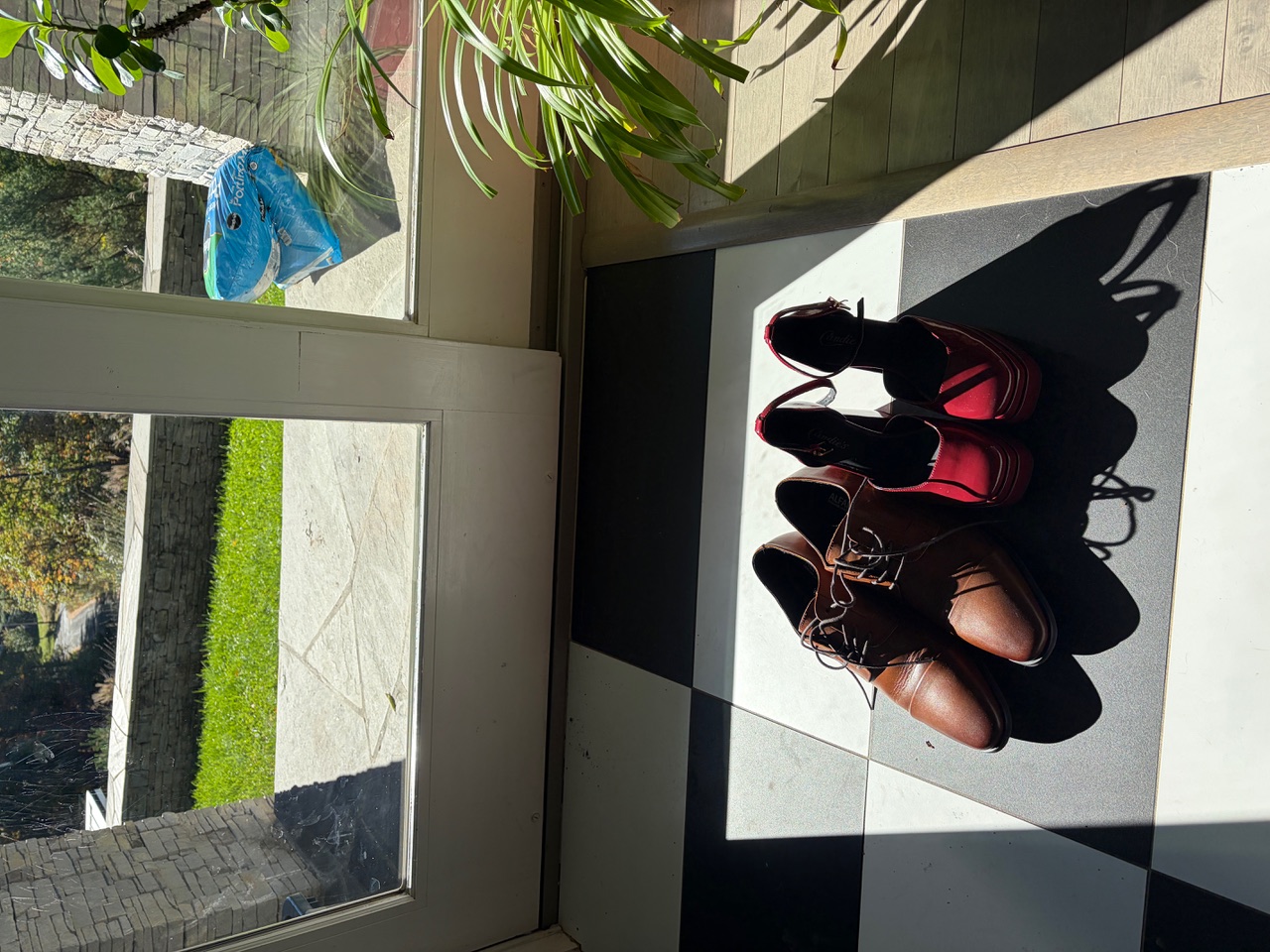
Wedding shoes. For all my faults, at least my first gift as an engaged person isn't to ask my fiance to sit for a deposition for a frivolous lawsuit like some people. Can you imagine?
Claude AI partly agrees and pays me a compiment for being so smart and well-read! when I query it about the comparisons of the play and the book.
"Partly, yes, and it’s a sharper comparison than it might first seem. But I’d say the two books share a skeleton while having very different hearts. (I'm so affirmed!).
Where the comparison holds:
- Time as the real subject. Both follow a group of people across decades and let you watch them age, marry or partner, succeed, and die. The meaning builds from accumulation rather than plot.
- Ordinary moments carry the weight. Our Town’s power is in breakfasts, homework, and a soda fountain conversation. A Little Life does the same with dinners, apartment renovations, and Willem and Jude driving upstate. The small domestic scenes are what you mourn later.
- Timelessness. Wilder uses a bare stage and no props, so Grover’s Corners could be anywhere. Yanagihara does something similar on purpose: she strips out historical markers. There’s no 9/11, no presidents, almost no technology dating it, so the friends seem to live outside history. That’s a striking parallel.
- Looking back from death. Emily revisiting one ordinary day after she dies, and realizing nobody notices life while living it, is close in spirit to Harold’s final section, where he looks back over Jude’s life and sees what he missed.
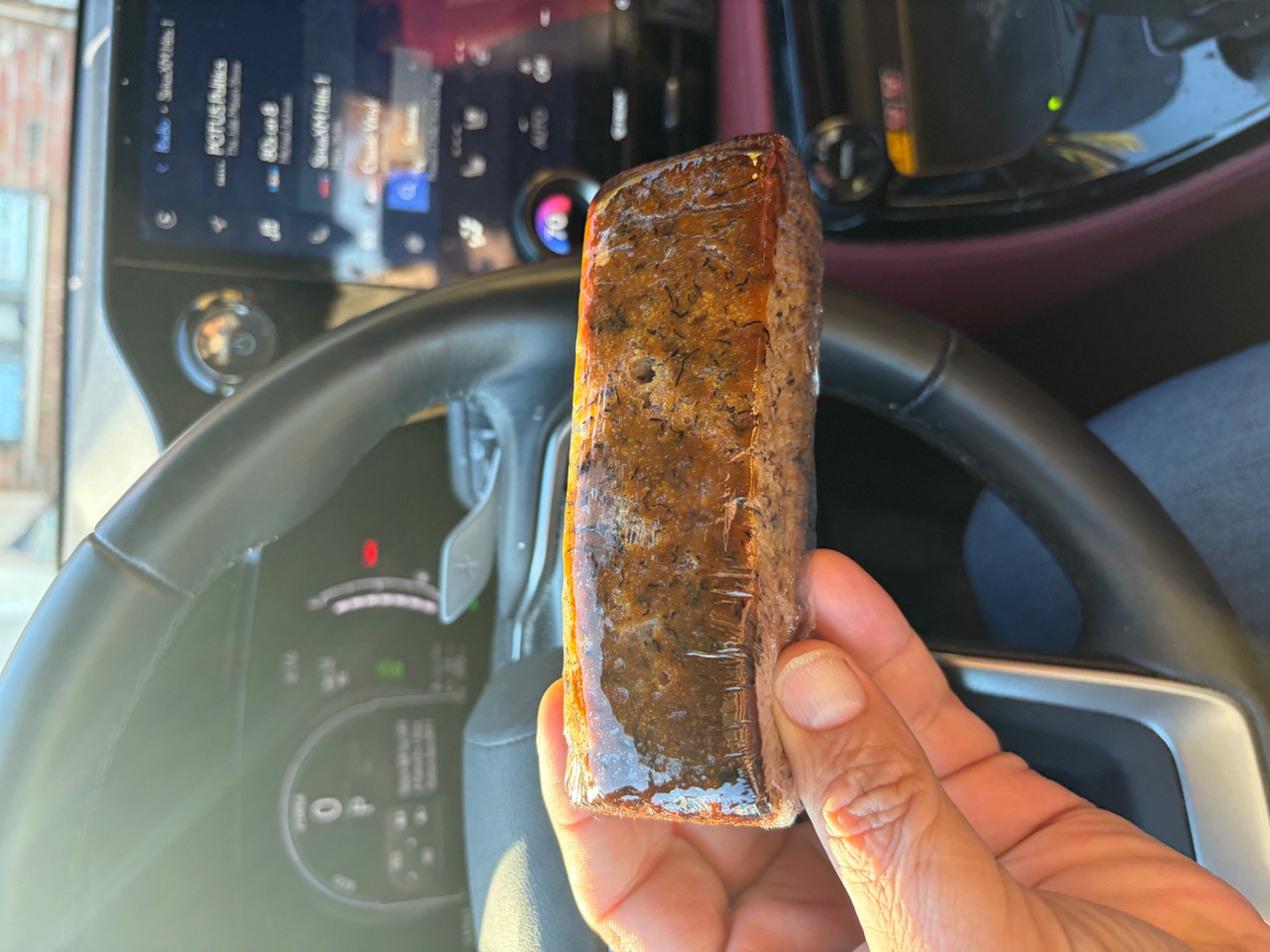
This used to be a treat on my way home from work, a slice of moist banana bread, from an unlikely source, an Indian convenience store. Was $2, just raised the price to $3!. I can't believe all the things that used to cost $4 now costs $8+, like my bottle of water and peanut M&M's. Something has got to give in this economy.
Last fall was glorious and Catskill-esque as you dream about, and this year is more of the same, with the bright daily sun coloring the leaves even more brillantly. Last year I had that, then went to Costa Rica after Thanksgiving and came back to a winter that never left.